
Nevada Donor Care Unit Opens in Las Vegas |
The state’s first dedicated recovery facility adds specialized capacity for organ and tissue donation |
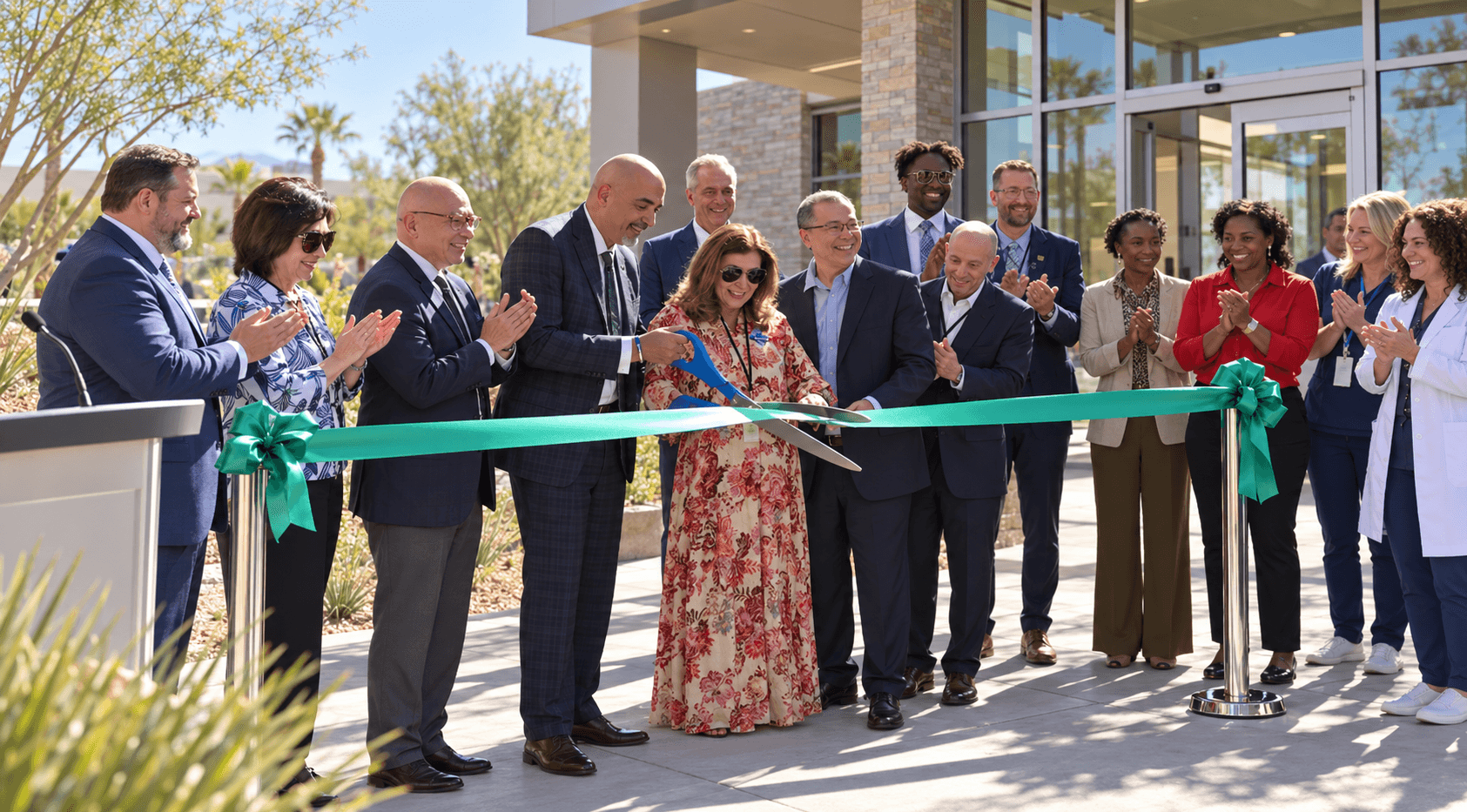
Nevada has opened its first dedicated organ and tissue recovery facility in Las Vegas, creating a specialized setting for an essential part of the donation process.
The 6,300-square-foot donor care unit is operated by the Nevada Donor Network. The organization marked the opening with a ribbon-cutting on October 20, 2026,
At a glance:
The unit is health-care infrastructure, not a change in donation law or transplant eligibility. Decisions about treatment, donation, recovery and transplantation remain individual, clinical and governed by the circumstances of each patient and family.
Its practical purpose is to give Nevada Donor Network a dedicated location for work that otherwise can depend more heavily on hospital space. The organization says the unit is designed to streamline donor care, preserve hospital resources and support transplant patients. In simple terms, it adds capacity to the coordination that happens after donation becomes possible.
That work is often invisible to the public. Organ, eye, and tissue donation can involve families, hospitals, clinical teams, donor-care professionals, and potential recipients. It takes place during a difficult time for families, and it requires careful coordination rather than a single handoff from one provider to another.
A dedicated unit does not mean every part of a transplant journey will happen in Las Vegas. Patients’ care pathways, medical needs, hospital coordination, and transplant-center requirements remain specific to each case. The new facility is one part of a broader system that includes donor registration, hospital partnerships, family support, recovery operations, and transplant care.
For Southern Nevada, the local value is the additional specialized capacity. A recovery facility can give the network more flexibility when a donation occurs and may help hospitals keep their operating rooms available for their wider patient-care needs. It does not guarantee a particular result for an individual patient, but it gives the state another operational resource within the donation process.
The opening also brings attention to a subject that many residents know only through a driver’s-license question or a family story. Nevada Donor Network is responsible for coordinating organ, tissue, and cornea donation statewide, and its role extends beyond donor registration. The network works with health-care partners and provides information and support around the donation process.
For residents who want to learn more, the most useful starting point is accurate information. The network’s organ, eye, and tissue donation guide explains the process, common questions, and how registration works in Nevada. It also emphasizes the importance of sharing donation wishes with family members.
Personal questions about registration, medical suitability, or a family member’s situation deserve individual guidance. Readers should use Nevada Donor Network’s current resources and speak with appropriate health-care professionals or trusted family members instead of relying on a general news article for personal decisions.
The donor care unit should be understood in that context. It is a meaningful addition to the state’s health-care infrastructure, but it is not a standalone solution to every challenge facing transplant patients or donor families. Its effectiveness will depend on how it works with hospitals, families, clinical teams, and the existing transplant system.
As operations begin, the most useful developments to follow will be practical: how the unit is integrated into hospital partnerships, how it supports donor families, and whether the added capacity improves the timeliness and coordination of donor care in Nevada.
That is the significance of the opening. The new facility adds a dedicated local space for a complex and deeply personal part of health care, while the decisions and outcomes that matter most will continue to be shaped by each individual case.
For Las Vegas residents, it is a reminder that donation depends on both personal choices and the local systems built to honor and carry out those choices. |
 Al-generated illustration; it does not depict the Nevada Donor Network donor care unit. Photo by Vegas Shoutouts. |
9 Comments
Join the conversation
I’m less worried about the size of the facility than how families are treated there. I hope Nevada Donor Network reports on that too.
If you’re registered as a donor, tell your family too. That conversation seems a lot easier before anyone is facing a hospital decision.
I checked the donor box when I renewed my license, but never talked about it at home. This is a good reminder to do that.
I’m glad family support was mentioned. What happens when a family has questions after their loved one is moved to the new unit?
The extra space sounds promising, but how will we know if it actually improves timing for donations? I hope they share those numbers.
That’s an important question. As the unit begins operating, we’ll be watching for data on the timeliness of donor care and how the added capacity works alongside hospital partners.
Dave ThompsonI’d like to see that too. Even a yearly update on timing and hospital OR use would help us understand whether it’s making a difference.
A dedicated recovery unit in Las Vegas sounds like a useful step. I hope it gives hospital operating rooms a little more breathing room.
Maria G.I hope so too. Keeping hospital ORs available for other patients would be a real benefit.